“yield increase” search results (2000)

Basic knowledge of coffee Common sense of the definition of fine coffee 2
With regard to the cultivation of crops, seed selection is a very important factor. Every year, agronomists are studying higher quality and higher yield varieties of wheat, soybeans, and corn, as well as how to make apples more delicious, beautiful and resistant to diseases and insect pests. In fact, the same is true of coffee. The quality and taste of coffee are determined by the quality of the varieties. Coffee trees are generally divided into three categories in the industry: Arabica species
2014-12-26 Coffee basics common sense boutique definition about crops planting seed selection important
Is it illegal to cut down or destroy coffee trees
The Kenyan government takes the coffee industry very seriously, where it is illegal to cut down or destroy coffee trees. The buyers of Kenyan coffee are world-class buyers of quality coffee, and no country can grow, produce and sell coffee continuously like Kenya. All coffee beans were first acquired by the Kenya Coffee Commission (coffee Board of Kaeya, CBK).
2016-05-24 Logging destruction coffee is it illegal Kenya the government extremely really yes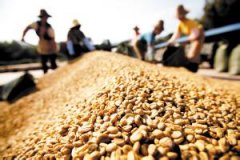
Peruvian coffee without impurities
Peru's clean taste, no impurities, it is mostly grown in high-altitude areas, planned planting to greatly increase the yield, mellow taste, the right acidity.
2015-05-06 Coffee basics common sense impurities taste Peru cleanliness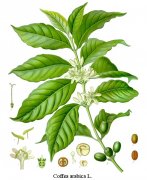
Coffee cultivation techniques detailed explanation of planting knowledge of Coffee trees
Coffee, cocoa and tea are called the three major beverages in the world, and their output, consumption and output value all rank first. In addition to being used as a beverage, coffee can also extract caffeine and coffee oil; in medicine, it can be used as an anesthetic, stimulant and diuretic cardiotonic agent. Coffee pulp can be used to make wine, vinegar, pectin and molasses; dried pulp can be used as animal feed; dried fruit shell can be used as fertilizer and burning
2015-02-16 Coffee cultivation techniques planting knowledge detailed explanation
Introduction of aromatic, full-bodied, fruity Kenyan coffee beans
Kenyan coffee beans the Kenyan government takes the coffee industry very seriously, where it is illegal to cut down or destroy coffee trees. Kenyan coffee buyers are world-class high-quality coffee buyers, and no other country can grow, produce and sell coffee on a continuous basis like Kenya. All coffee beans are first made by the Kenya Coffee Commission (CoffeeBoardofKenya, CB for short)
2016-06-22 Aromatic full-bodied with fruit flavor Kenya coffee beans introduction
Introduction to the manor producing area of Costa Rican boutique coffee beans with unique strong flavor
Coffee was introduced into Costa Rica from Cuba in 1729. Today, its coffee industry is one of the well-organized industries in the world, with a yield of 1700 kg per hectare. Costa Rica has only 3.5 million people but 400m coffee trees, and coffee exports account for 25 per cent of the country's total exports. The volcanic soil of Costa Rica is very fertile and well drained, especially in the central part.
2016-08-25 Aroma unique strong Costa Rica boutique coffee beans flavor taste manor
Kenya Coffee Bean Characteristics Kenya AA
The Kenyan government takes the coffee industry extremely seriously, and it is illegal to cut down or ring coffee trees here. Kenya's coffee buyers are world-class buyers of premium coffee, and no country grows, produces and sells coffee as consistently as Kenya. All coffee beans are first purchased by the Coffee Board of Kenya (CBK), where
2016-08-31 kenya coffee beans characteristics government extreme really treat coffee
The Lutesilo producing area of the western province of Rwanda coffee beans with bright sour fruit taste.
Catimor Katim (Timor and Caturra hybrid). Was found in Portugal in 1959. The palate is obvious and easy to distinguish, bitter acid with a bit of astringency, and the finish is often salty. It is a high-yield variety with high planting density and strong resistance to leaf rust. Timor Timm (a hybrid of Arabica and Robusta found in East Timor, but closer to Arabica because of its infection
2016-06-30 With bright fruit sour Rwanda coffee beans western province Texi producing areas
What are the reasons for the poor quality of early Bolivian coffee?
The early Bolivian coffee was of low quality and the market was very poor. Usually the picked coffee fruit is bumped all the way to the processing plant after a simple peeling treatment. Due to the imperfect infrastructure, the traffic is underdeveloped. Coffee farmers have to overcome the rugged mountain road and transport the beans to the higher altitude area of La Paz for washing. If the coffee fruit can not be delivered to the processing in time
2016-06-27 In the early days Bolivia coffee quality low reason what is it?
Introduction of Bolivian coffee producing areas with excellent coffee varieties
Arabica coffee cannot be grown in cold places above 2000 meters above sea level. if the altitude is too high, coffee trees will frost because the temperature is too low. So Bolivian coffee is mainly grown in the Yungas region northeast of La Paz. It borders the Amazon basin and is about 1500-2500 meters above sea level with an average annual temperature of about 10-15 ℃. Therefore, it ensures the growth of coffee.
2016-06-29 Owning excellent coffee growing Bolivia producing area introduction
The origin of Kenyan coffee
Kenyan coffee beans the Kenyan government takes the coffee industry very seriously, where it is illegal to cut down or destroy coffee trees. Kenyan coffee buyers are world-class high-quality coffee buyers, and no other country can grow, produce and sell coffee on a continuous basis like Kenya. All coffee beans are first made by the Kenya Coffee Commission (CoffeeBoardofKenya, CB for short)
2016-06-02 Kenya coffee origin coffee beans government extremely really treat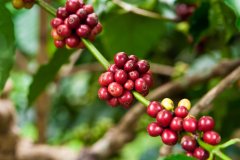
Democratic Republic of the Congo (DRC) to strengthen coffee industry to develop coffee information coffee network
High-quality coffee beans are refined by water treatment. The coffee beans with less impurities can be obtained by the water washing method, but if the water quality and time are not properly controlled during the fermentation process, the coffee beans will easily be infected with the sour taste of excessive fermentation. and dry beans also need to pay attention to timely re-inspection to prevent coffee beans from being contaminated by wet ground and sundries. Processed
2016-05-25 Congo enhanced coffee industrial development information boutique coffee beans adoption water treatment
High quality and sour Bolivian coffee beans introduce boutique coffee
Arabica coffee cannot be grown in cold places above 2000 meters above sea level. if the altitude is too high, coffee trees will frost because the temperature is too low. So Bolivian coffee is mainly grown in the Yungas region northeast of La Paz. It borders the Amazon basin and is about 1500-2500 meters above sea level with an average annual temperature of about 10-15 ℃. Therefore, it ensures the growth of coffee.
2016-06-23 Quality sour rich Bolivia coffee beans introduction boutique coffee
Boutique coffee specialty coffee coffee bean variety
Abstract: coffee trees are generally divided into three categories: Arabica species, Robesta species and Liberika species. With regard to the cultivation of crops, seed selection is a very important factor. Every year, agronomists are studying higher quality and higher yield varieties of wheat, soybeans and corn, as well as how to make apples more delicious, beautiful and resistant to diseases and insect pests. in fact, the same is true of coffee.
2016-05-04 Boutique coffee specialty coffee beans varieties
Introduction of Bolivian coffee beans with rich and balanced taste and rich aroma
The early Bolivian coffee was of low quality and the market was very poor. Usually the picked coffee fruit is bumped all the way to the processing plant after a simple peeling treatment. Due to the imperfect infrastructure, the traffic is underdeveloped. Coffee farmers have to overcome the rugged mountain road and transport the beans to the higher altitude area of La Paz for washing. If the coffee fruit can not be delivered to the processing in time
2016-06-22 Taste rich balanced aroma unique Bolivia coffee beans introduction
Bolivian Coffee Manor with excellent Coffee varieties introduce Xuemai Manor
Bolivia has made a lot of efforts to improve the quality of coffee, stimulate the enthusiasm of coffee farmers and make coffee farmers have a deeper understanding of fine coffee. After the introduction of the COE competition, in the first COE competition held in 2004, there were 13 boutique bean cups with a total score of more than 84 points, and the champion bean score was as high as 90.44 points.
2016-07-14 Owning excellent coffee growing Bolivia manor producing area introduction snow vein
The world's second largest coffee company is stationed in Vietnam
Mondelez International, the world's second-largest coffee company, has opened its first farmer training center in Vietnam to help Vietnamese coffee growers improve their planting methods and increase production. According to Vietnamese media reports on the 8th, the center, called Coffee making Happiness, plans to provide free training courses for 1500 coffee growers in Vietnam.
2014-05-13 Coffee news coffee machine coffee beans Vietnamese coffee
Kaddura (Caturra)
Kaddura (Caturra): a single-gene variant of bourbon, discovered in Brazil in the ○'s. The production capacity and disease resistance are better than bourbon, but the trees are shorter and easy to harvest, but like bourbon, they all have periodic problems of production capacity fluctuation every two years. The flavor is comparable to or slightly worse than that of bourbon beans, but more importantly, it is super adaptable and does not need shade trees. It can also be full of vitality in direct exposure to the sun.
2014-06-30 Kaddura coffee beans fine coffee beans
Introduction to the characteristics of Flavor and Taste of Coffee Manor in Saint Roman, Costa Rica
Coffee was introduced into Costa Rica from Cuba in 1729. Today, its coffee industry is one of the well-organized industries in the world, with a yield of 1700 kg per hectare. Costa Rica has only 3.5 million people but 400m coffee trees, and coffee exports account for 25 per cent of the country's total exports. The volcanic soil of Costa Rica is very fertile and well drained, especially in the central part.
2016-08-23 Costa Rica Roman coffee manor producing area flavor taste characteristics boutique
Introduction of Bolivian boutique coffee bean flavor and taste manor with sour fruit taste
The early Bolivian coffee was of low quality and the market was very poor. Usually the picked coffee fruit is bumped all the way to the processing plant after a simple peeling treatment. Due to the imperfect infrastructure, the traffic is underdeveloped. Coffee farmers have to overcome the rugged mountain road and transport the beans to the higher altitude area of La Paz for washing. If the coffee fruit can not be delivered to the processing in time
2016-08-03 Fruit sour Bolivia boutique coffee beans flavor taste manor producing area